28th June, 2026
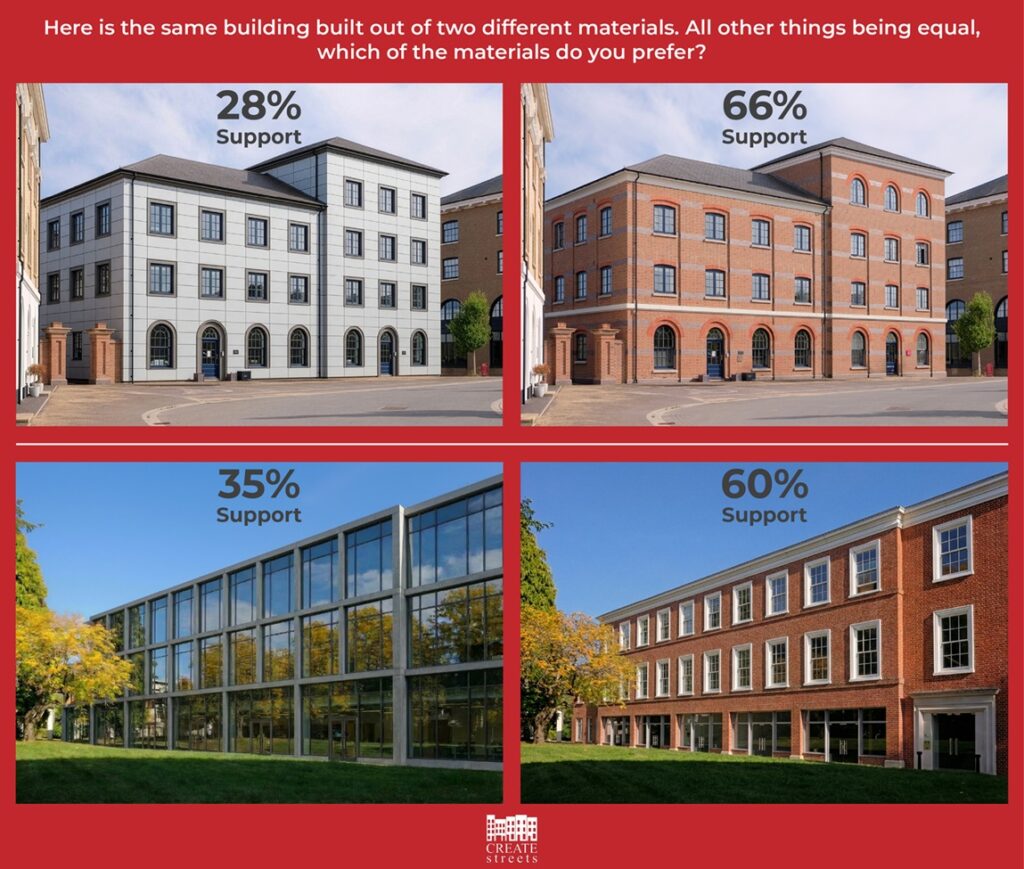
“This is a catastrophe happening in slow motion which is about to get much worse. We must act now before we murder the British brick industry. This is a textbook example of Broken Britain. Layers of heartless and overly complex standards are doing far more harm than good. They are destroying jobs. And they risk destroying thousands more soon unless we change course. The industry standards are factually wrong. They are based on a lie. They assume that brick buildings last for 60 years. But this is nonsense. At least 40 per cent of British homes are made of bricks which are more than 60 years old and brick buildings can and do last for centuries. People also love brick buildings. They are twice as popular as other materials in our latest national visual preference surveys. Our report sets out the facts cold and clearly and suggests in detail what needs to happen next to save the British brick industry. Unless we change direction fast, we are going to kill the British brick industry for no environmental benefit whatsoever. When you are about to shoot yourself in the face, it’s normally good to stop.”
Nicholas Boys Smith, Founder and Chairman, Create Streets
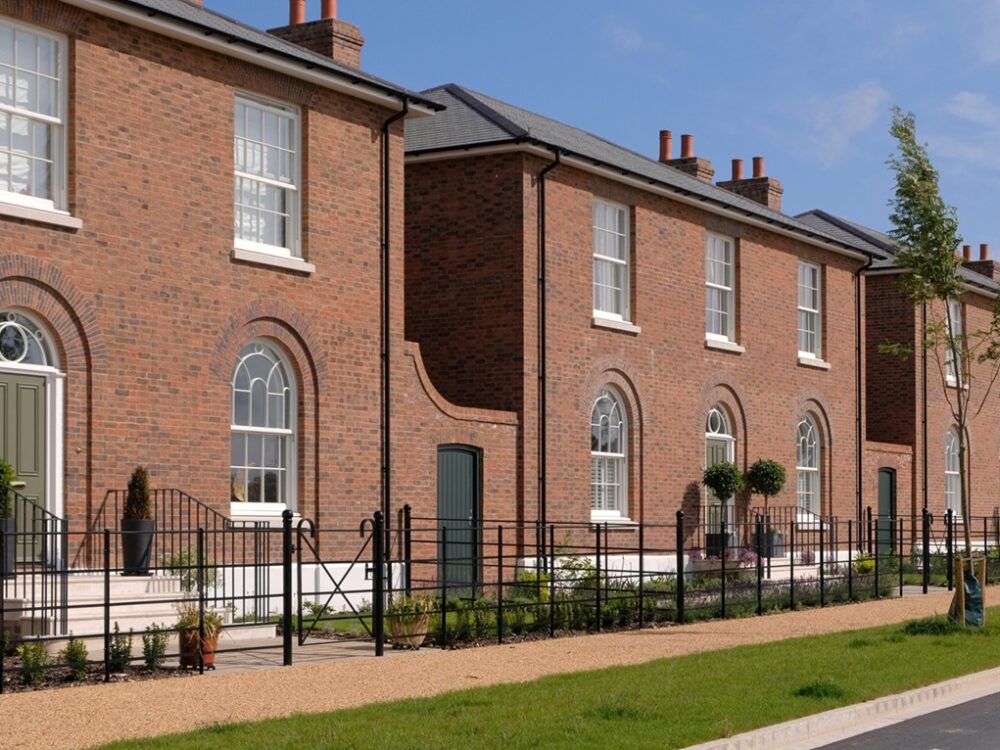
Bricks are the nation’s favourite building material. They are found in every corner of the UK. They are beautiful, durable and woven into the landscape of our villages, towns and cities.
But Britain’s brick industry is in trouble. A downturn in housebuilding, high energy costs and increasingly stringent sustainability standards are making bricks more expensive and reducing demand. Some brick factories have already closed. More may follow.
Create Streets’s new research report, Bricks are best, argues that this is not just an industrial problem which is doing huge harm to British manufacturing and to Stoke on Trent and the British ceramics industry. It is a planning, housing, sustainability and place-making problem. The report was kindly funded by Ceramics UK but is fully editorially independent.
At the heart of the issue is a simple but incredibly serious error. Current whole-life carbon standards normally assess domestic buildings over a 60-year reference period. This may be convenient for elite consultants. But it does not reflect reality. Millions of British brick homes are already more than 60 years old. Many are more than 100 years old. Some bricks have lasted for centuries.
By falsely assuming a brick only lasts for 60 years industry standards are systematically and incorrectly making bricks appear much more ‘high carbon’ than they really are. The price is being paid in British industrial manufacturing and British jobs.
By treating 60 years as the standard assessment period, current methodologies systematically penalise durable, low-maintenance materials such as brick, and favour materials which may look lower-carbon on day one, but which can need more maintenance, replacement or even demolition over time. That is not sustainability. It is unsustainable short-termism. And very unfair.
The report shows that when buildings are assessed over more realistic lifespans, such as 120 or 180 years, brick performs far better on whole-life carbon. Brick buildings last. They can be repaired, adapted and loved for generations. They are non-combustible, low-maintenance and deeply familiar to the public.
They are also popular. In new Create Streets visual preference research conducted by Deltapoll, the public strongly preferred brick buildings over common alternatives. In two comparisons, brick was favoured by 60 to 66 per cent of respondents. This preference held across age, gender, region and political affiliation. Everyone loves bricks apart from the net zero standards.
This matters. If planning and sustainability standards push developers away from brick, we risk building places that are less popular, less durable and less likely to win public support. At the very moment Britain needs to build more homes, we should not be making it harder to build homes people actually like.
There is also a serious economic risk. The British brick industry supports around 8,000 skilled manufacturing jobs and is worth about £1.3 billion. Domestic production has already fallen sharply from 2.0 billion bricks in 2022 to just 1.3 billion in 2024, a 32 per cent fall in just two years. If more factories close, the UK will become more dependent on imported bricks, increasing supply chain risks and transport emissions while weakening a historic domestic industry.
Our conclusion is clear. Bricks should not be banned by mistake.
Whole-life carbon standards must reflect how buildings actually perform over time. Assessments should include longer reference periods, better account for maintenance and replacement, and avoid creating de facto material bans. Policymakers should support cleaner brick production, not punish one of Britain’s most trusted and long-lasting materials.
We should build homes and neighbourhoods that last for our children and grandchildren. That means using materials which are beautiful, durable, repairable and loved. Bricks are not the past. Used well, they are part of a more sustainable future.
You can read the full report here and Nicholas Boys Smith’s Telegraph article here